


When Christian Oberth passed away in 2012, his obituary included this line: “He was an original Apple programmer, made an anteater game and was passionate about making & playing games.”
That anteater game was Ardy the Aardvark, one of many Apple II games Oberth developed. His full credits include thirteen games from 1978 to 1983, such as Phasor Zap, Depth Charge, and Frustration.
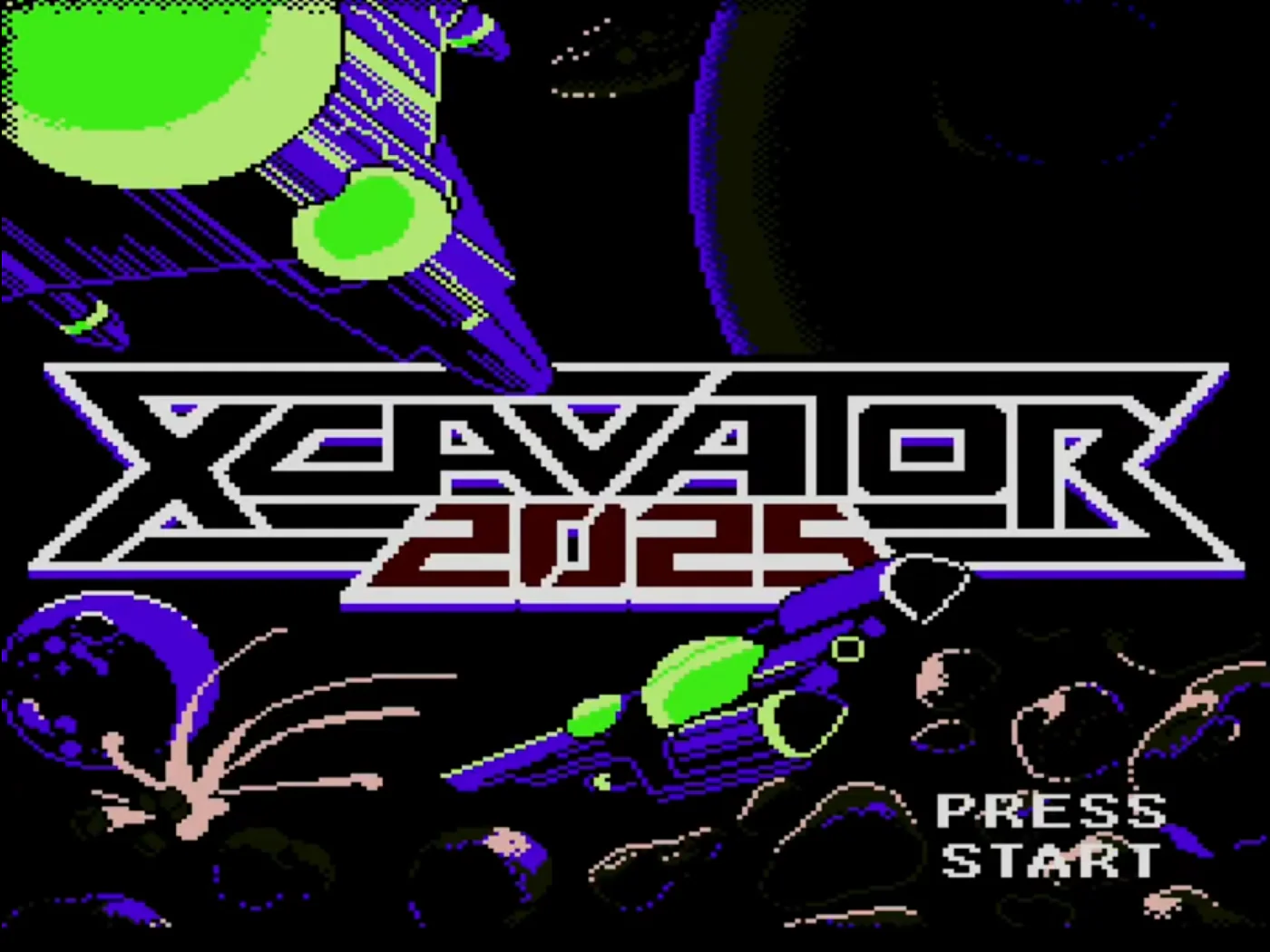
He also developed two Nintendo games that were never released in his lifetime — but which were eventually recovered. Days of Thunder, based on the Tom Cruise movie, was reconstructed by the Video Game History Foundation in 2020. And now, the VGHF is back at it, releasing the lost Oberth game Xcavator.
Xcavator will ship in Q2 2026 on a working NES cartridge, currently available for preorder from iam8bit for US$100, with “the original prototype & source code [to be made] available for free”. The vendor writes:
First developed at Incredible Technologies Inc., the company behind coin-op classics like Golden Tee Golf, Big Buck Hunter, and more, Xcavator was shopped around to multiple publishers across the country way back in 1991, but it never found a home, and was quietly archived and never looked at again.
Recently, the prototype’s source code was discovered and rebuilt by the Video Game History Foundation from Oberth’s development archives, which were donated by his family after his unfortunate passing. Incredible Technologies then graciously agreed to donate the rights to the game to the VGHF to use as a fundraiser for its charitable work.
The Video Game History Foundation then worked with Mega Cat Studios to finish the game, staying true to Oberth’s original vision and using the tools and environments that Oberth would have utilized himself to make the game whole.
Xcavator’s gameplay looks like a cross between Solar Jetman (NES), Cavern Creatures (Apple II), and Yar’s Revenge (Atari 2600). Although the game was never developed for the Apple II, Oberth’s influence and his background on the Apple II are evident. We’re glad to see Oberth’s work still being recognized, celebrated, and made available decades later.
All profits from iam8bit’s sale go to the Video Game History Foundation, whose winter fundraiser is now underway.